Watching someone struggle is not the same as giving them the conditions they need to succeed.
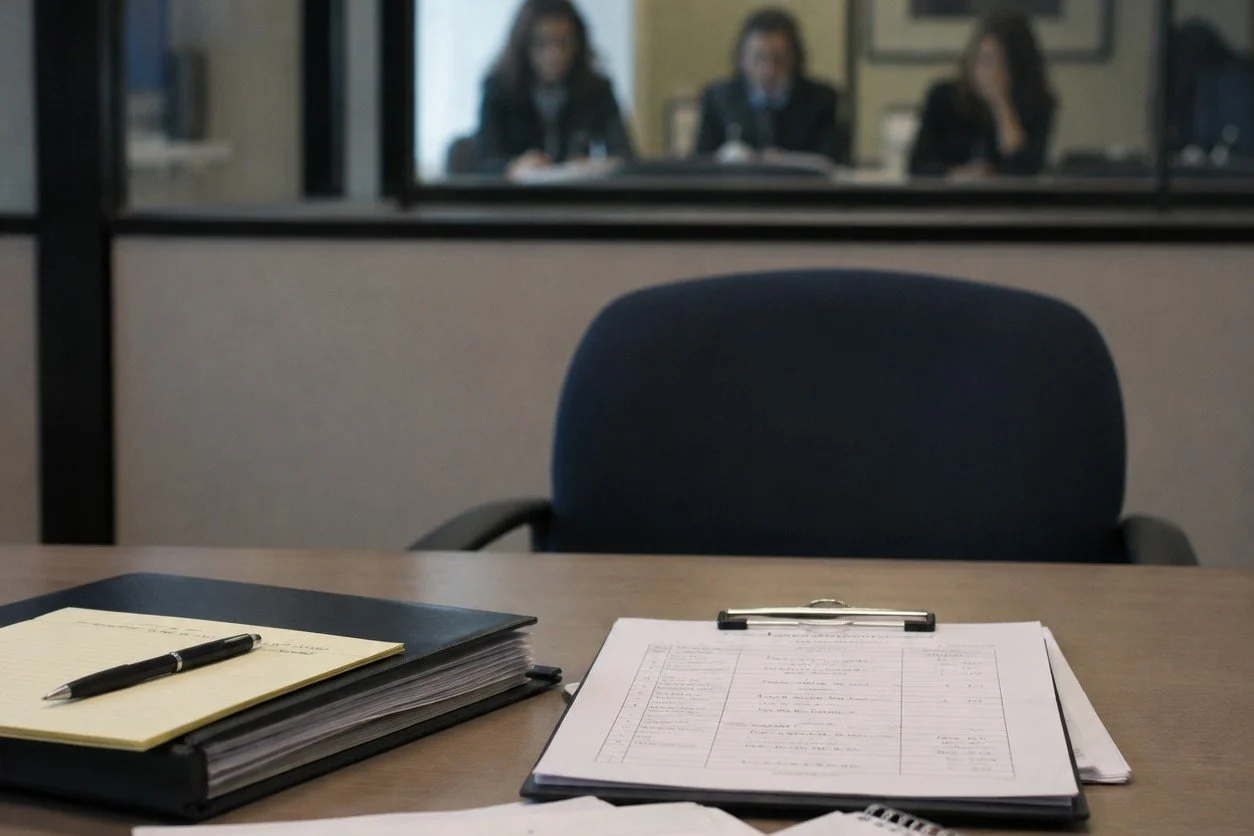
Sometimes being watched is mistaken for being supported.
I've experienced and observed how closer monitoring can become the response when someone is struggling, even when the conditions contributing to those difficulties remain unchanged.
More check-ins.
More reviews.
More documented concerns.
More attention to how the person performs, responds and behaves.
But what happens to the problems they have already raised?
Monitoring can serve a legitimate purpose.
Managers have responsibilities to oversee work, identify difficulties, maintain standards and provide appropriate support.
Regular reviews can help people understand expectations and identify what needs to improve.
But there is a difference between monitoring someone's performance and meaningfully supporting their ability to perform.
Consider an employee working with unclear expectations, inconsistent communication or inadequate support.
They raise concerns.
Their difficulties continue.
Management responds by increasing scrutiny of their work, documenting mistakes or reviewing their behaviour more closely.
The employee is expected to demonstrate improvement.
But have the conditions affecting their performance improved?
This is where oversight can become an exercise in control rather than support.
For Deaf and disabled employees, communication and access barriers can add another dimension.
If important information is inaccessible, interpreting arrangements are inconsistent or workplace adjustments are not adequately addressed, those conditions may affect someone's work.
Yet the resulting difficulties can attract closer scrutiny of the employee rather than an examination of the barriers.
Their pace becomes the concern.
Their confidence is questioned.
Their reactions are documented.
Their performance becomes the focus.
Meanwhile, the organisation's responsibility for the working environment may receive far less attention.
What does closer monitoring achieve if the conditions contributing to someone's difficulties remain unchanged?
This does not mean managers should ignore genuine performance concerns or that every employee difficulty results from inadequate support.
People have responsibilities for their conduct and work.
But organisations also have responsibilities for the conditions in which people are expected to meet those standards.
Those responsibilities should be examined together.
When someone is struggling, effective leadership should involve asking what support has been provided, whether expectations are clear and whether identified barriers have been addressed.
It should also involve listening to concerns without automatically treating them as resistance to management.
An employee may need guidance, reasonable adjustments, clearer communication or a change in working arrangements.
Sometimes they may also need to improve aspects of their performance.
These possibilities are not mutually exclusive.
The problem arises when observation becomes increasingly intensive while meaningful support remains limited.
An organisation may accumulate detailed records of someone's difficulties.
It may demonstrate that meetings took place, concerns were documented and progress was reviewed.
But documentation does not automatically demonstrate that the organisation took reasonable steps to help resolve the underlying problems.
Nor should monitoring become so disproportionate that the person feels constantly scrutinised without understanding how they are being supported.
That raises questions about power.
Managers often control the expectations, resources and arrangements within which employees work.
They may also decide how performance is monitored and evaluated.
When the same organisation controls both the working conditions and the assessment of someone's difficulties, its own decisions must remain open to scrutiny.
Leadership should be measured not only by how closely problems are monitored, but by what is done to address them.
There is a place for oversight, documentation and performance reviews.
But they should serve a clear purpose, operate fairly and contribute to meaningful action.
Because watching someone struggle does not remove the obstacles around them.
And recording those struggles is not the same as taking responsibility for the conditions in which they occur.
THE QUESTION
When an organisation increases monitoring of someone who is struggling, how often does it also examine and change the conditions contributing to those difficulties?