Rules Applied Unevenly Are Still Discrimination
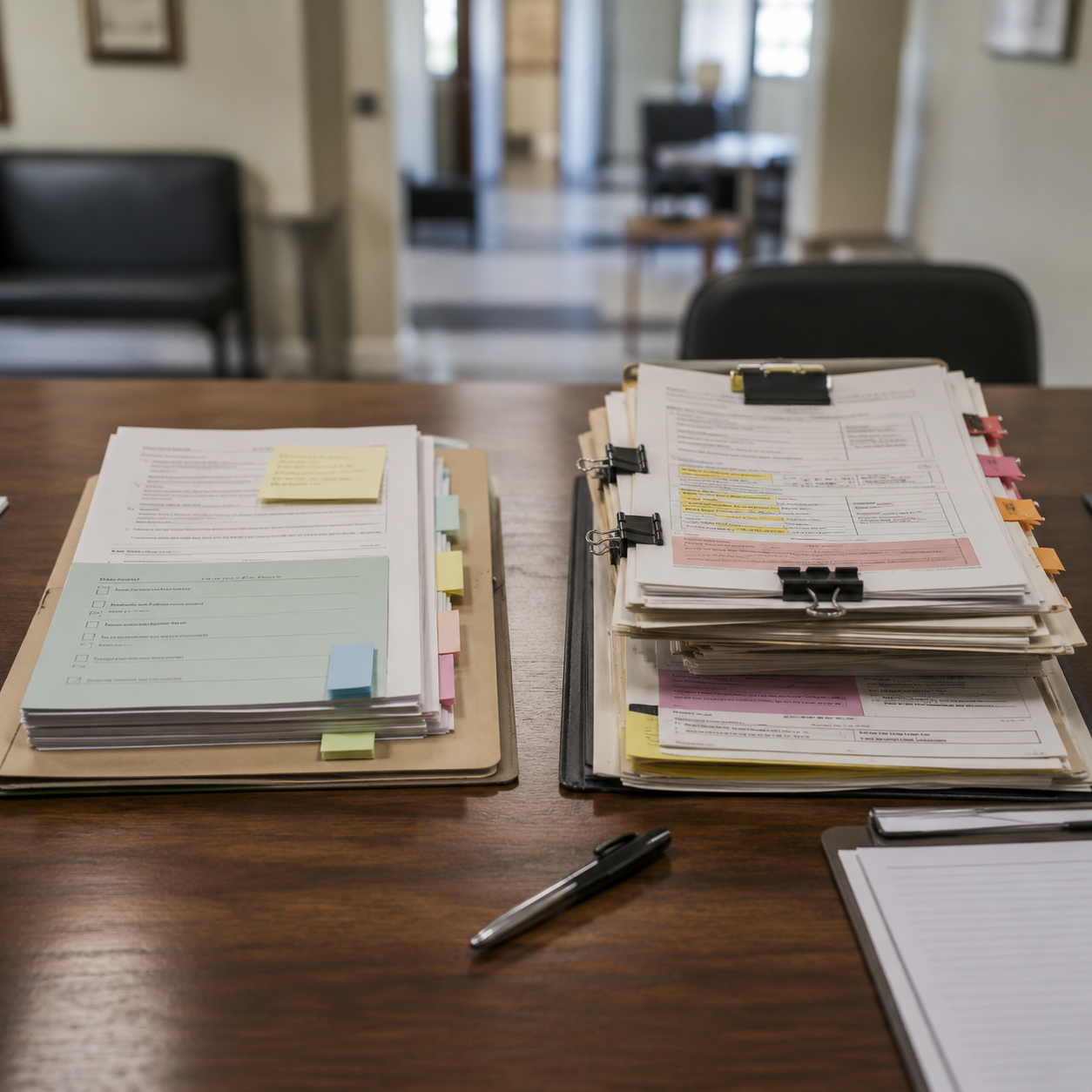
Sometimes fairness depends on who the rules are being applied to.
I’ve noticed that systems often call rules neutral while deciding who gets flexibility and who gets punished.
Rules are often presented as neutral.
Objective.
The same for everyone.
But neutrality disappears when rules are applied unevenly.
Some people are given flexibility.
Others are penalised for the same behaviour.
Context is considered for those with power and dismissed for those without.
This is how discrimination operates without ever naming itself.
For Deaf and disabled people, uneven rule-application often shows up as heightened scrutiny, reduced tolerance, and fewer second chances.
Behaviour is judged without accounting for access barriers, communication differences, or unequal conditions.
When harm is named, the response is procedural rather than corrective.
This is not fairness.
It is selective enforcement.
When rules bend upward and harden downward, systems protect those they already favour.
Discrimination does not require explicit bias.
Only inconsistency that goes unchallenged.
Equal rules mean nothing without equal application.
And uneven enforcement is still harmful.