
Power & Oppression
This is where I began noticing how power can protect, exclude, and shape who is heard.
I looked back at patterns that Deaf people often move through — othering, gatekeeping, silence, and the quiet expectation to remain grateful for access that should already exist.
These reflections begin with lived experience and examine the systems and power surrounding it.
This is not about blame.
It is about clarity, so choice can return.
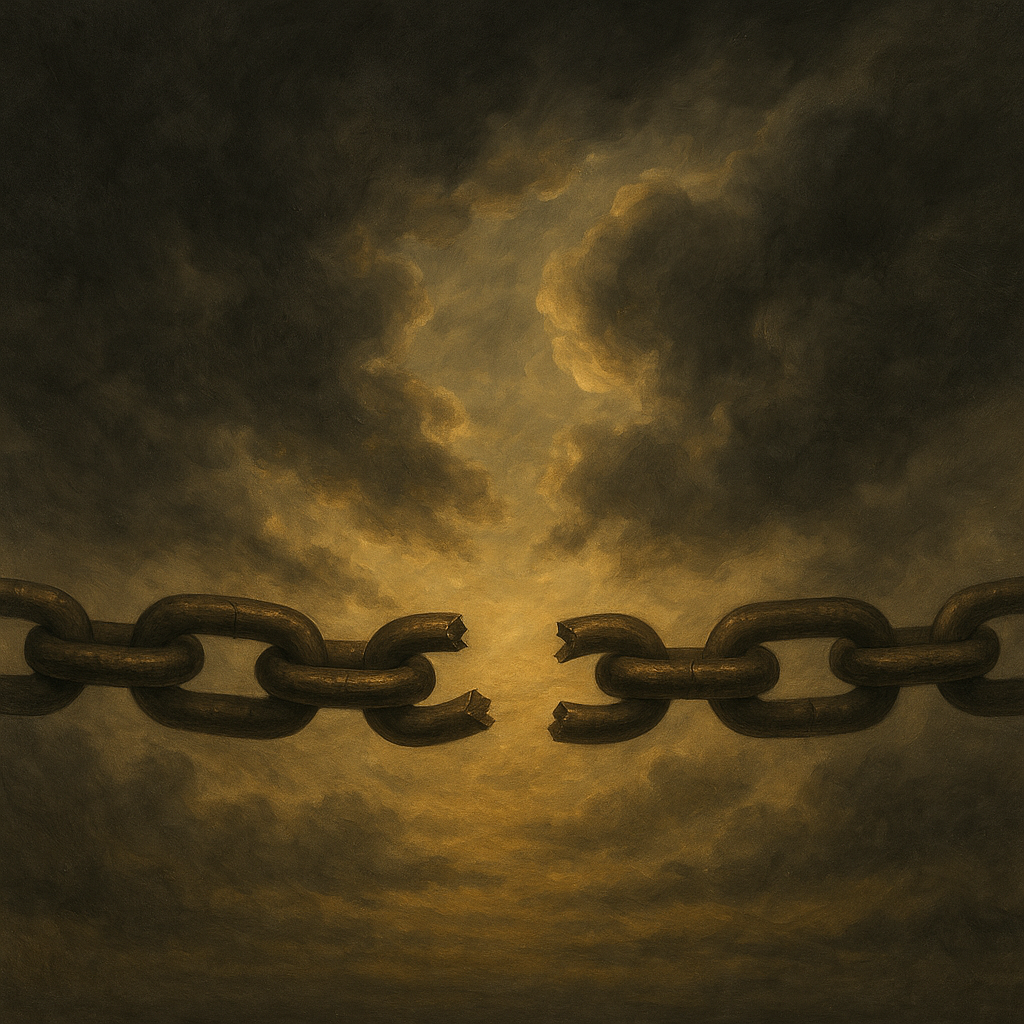
Structures of Power
The systems that shape who is heard and who is overlooked.

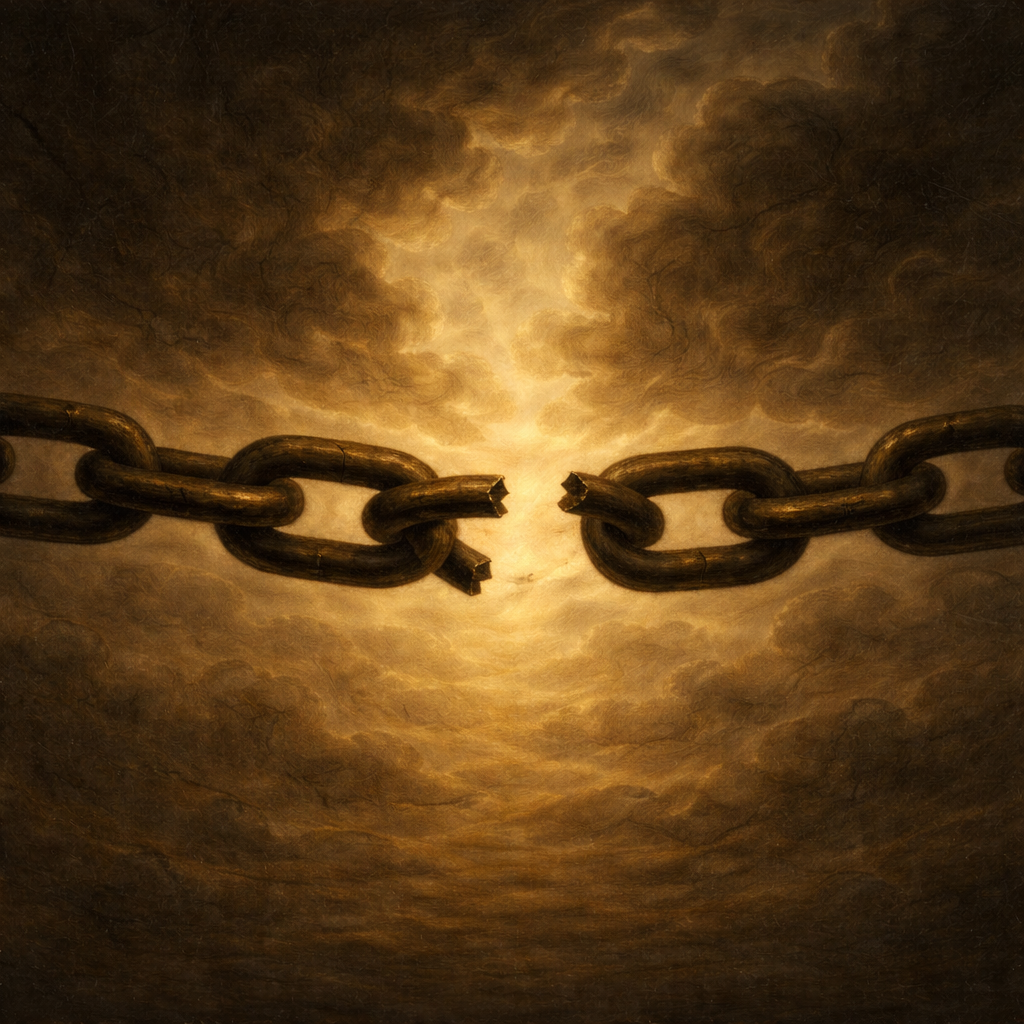
Deaf & Hearing Dynamics
Whose norms lead, and how language quietly sets the rules.
How communication, access, and expectations shape Deaf and hearing relationships.
Race, Privilege & Culture
How race and class influence access, safety, and belonging.
Whiteness & Power Systems
When “neutral” rules reflect particular norms and quietly distribute advantage.
Global Perspectives
How history, colonisation, and language politics influence Deaf futures.
Intersectional Realities
How layered identities shape visibility, risk, and opportunity.
Tokenism & False Inclusion
Being welcomed in, but not fully allowed to take up space.
Psychological & Social Tools of Oppression


Everyday patterns that limit voice and narrow choice.
Workplace & Organisational Politics
The power dynamics behind policies, praise, and performance.
Exploring how workplace structures can shape voice, safety, belonging, and silence.