Audism Is Structural, Not Personal
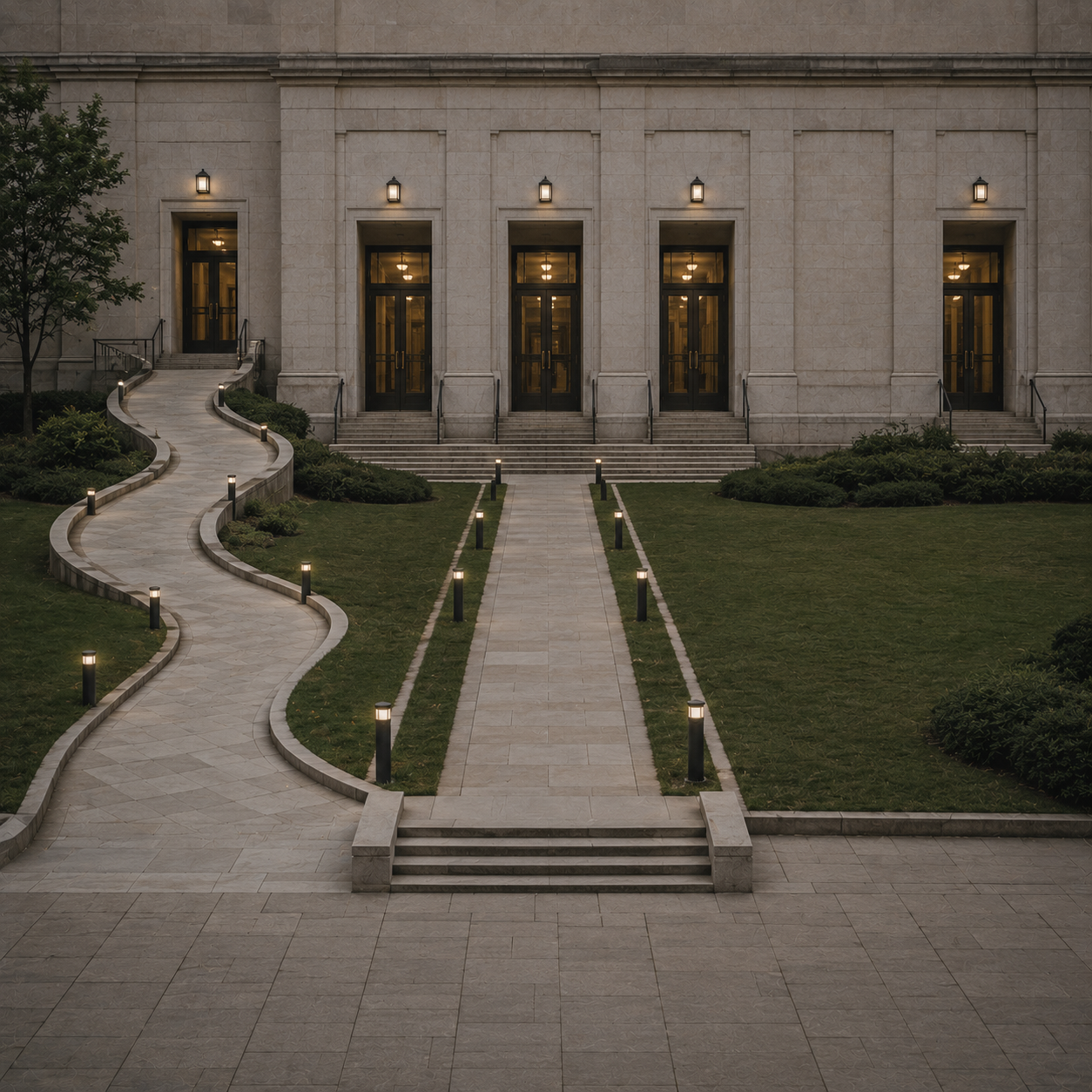
Sometimes the barrier is not what one person says.
It is what an entire system assumes.
I’ve noticed how often Deaf people are expected to adapt to hearing systems, while the systems themselves remain largely unchanged.
Audism is often misunderstood as individual prejudice – a comment, a tone, a moment of rudeness.
But audism does not survive because of personal attitudes alone.
It survives because systems are built to prioritise hearing norms as the default.
Policies assume spoken communication is neutral.
Processes rely on speed, phone calls, and verbal updates.
Access is treated as an adjustment rather than infrastructure.
None of this requires malice.
That is exactly why it persists.
When systems are designed without Deaf people in mind, exclusion becomes routine.
Deaf people are then blamed for struggling within structures that were never built for us – labelled “difficult,” “unreasonable,” or “not engaging,” rather than recognising the barrier itself.
Audism is not just what someone says.
It is what the system allows to continue without challenge.
Focusing only on individual behaviour lets institutions avoid responsibility.
It keeps harm personal and fragmented, instead of named and addressed at the level where it actually lives.
Audism is not a personality flaw.
It is a structural failure.
Structural failures require structural change.