When Access Is Designed for Hearing Comfort
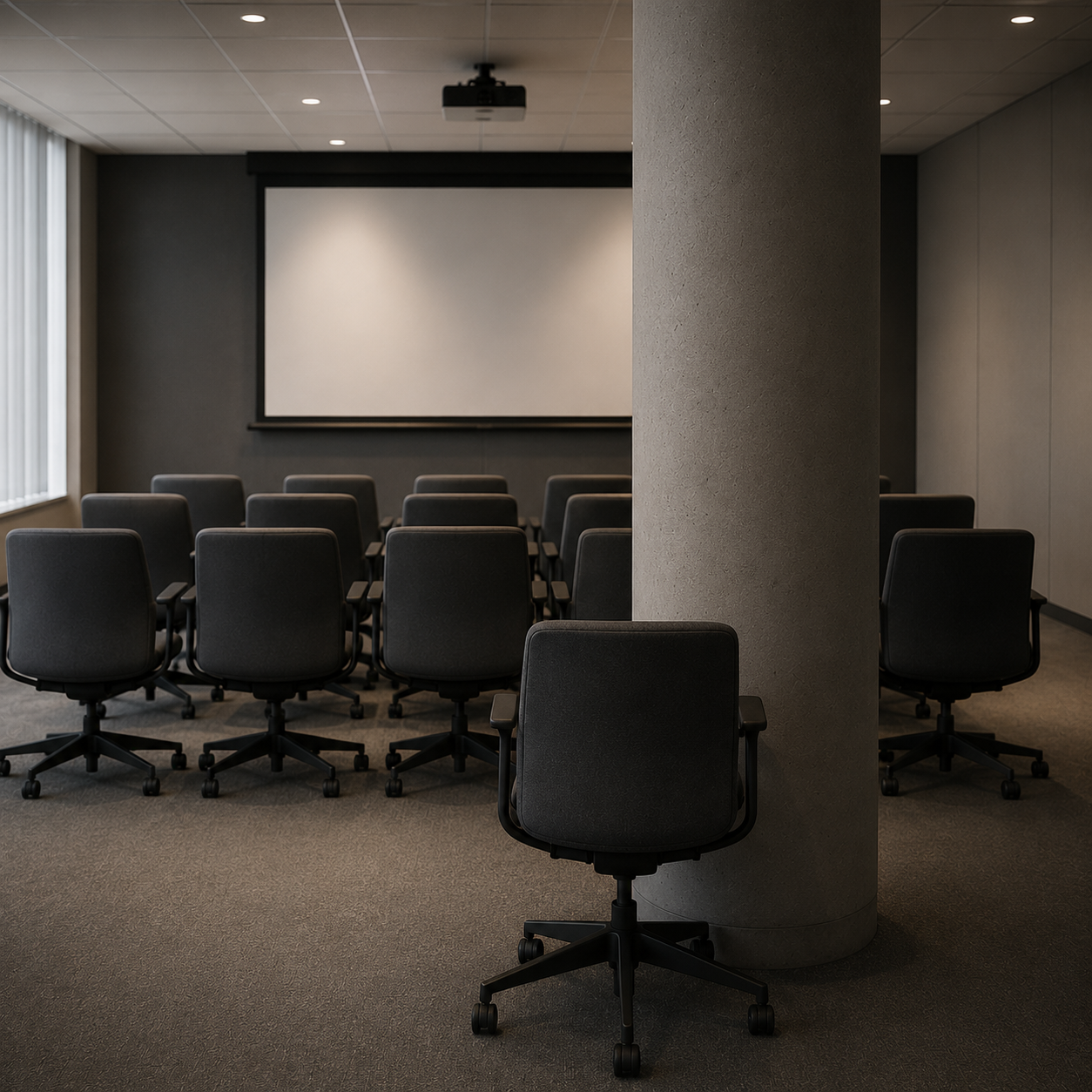
Sometimes access exists, but only on terms that remain comfortable for everyone else.
I’ve noticed how often access is adapted around hearing preferences rather than Deaf participation.
Access should create participation.
But when it is shaped around hearing ease, it becomes conditional.
Interpreters are booked late, so meetings can stay flexible.
Information is shared verbally because it is “quicker.”
Cameras stay off because it feels more comfortable for hearing staff.
These choices are framed as neutral.
They are not.
When access is designed around hearing comfort, Deaf people are asked to absorb the cost – missed context, delayed understanding, emotional strain, and the constant labour of adapting.
What looks efficient for the majority becomes exclusionary for those without power.
This is not about bad intentions.
It is about whose comfort the system protects.
Deaf people are often expected to be grateful for access that arrives late, partially, or on conditions set by others.
When we disengage, we are labelled difficult, uncooperative, or disinterested, rather than recognising that the structure itself made participation unsafe.
Access that centres hearing comfort is not inclusive.
It is conditional.
And conditional access is not access at all.