When Deaf People Are Treated as an Afterthought in Government
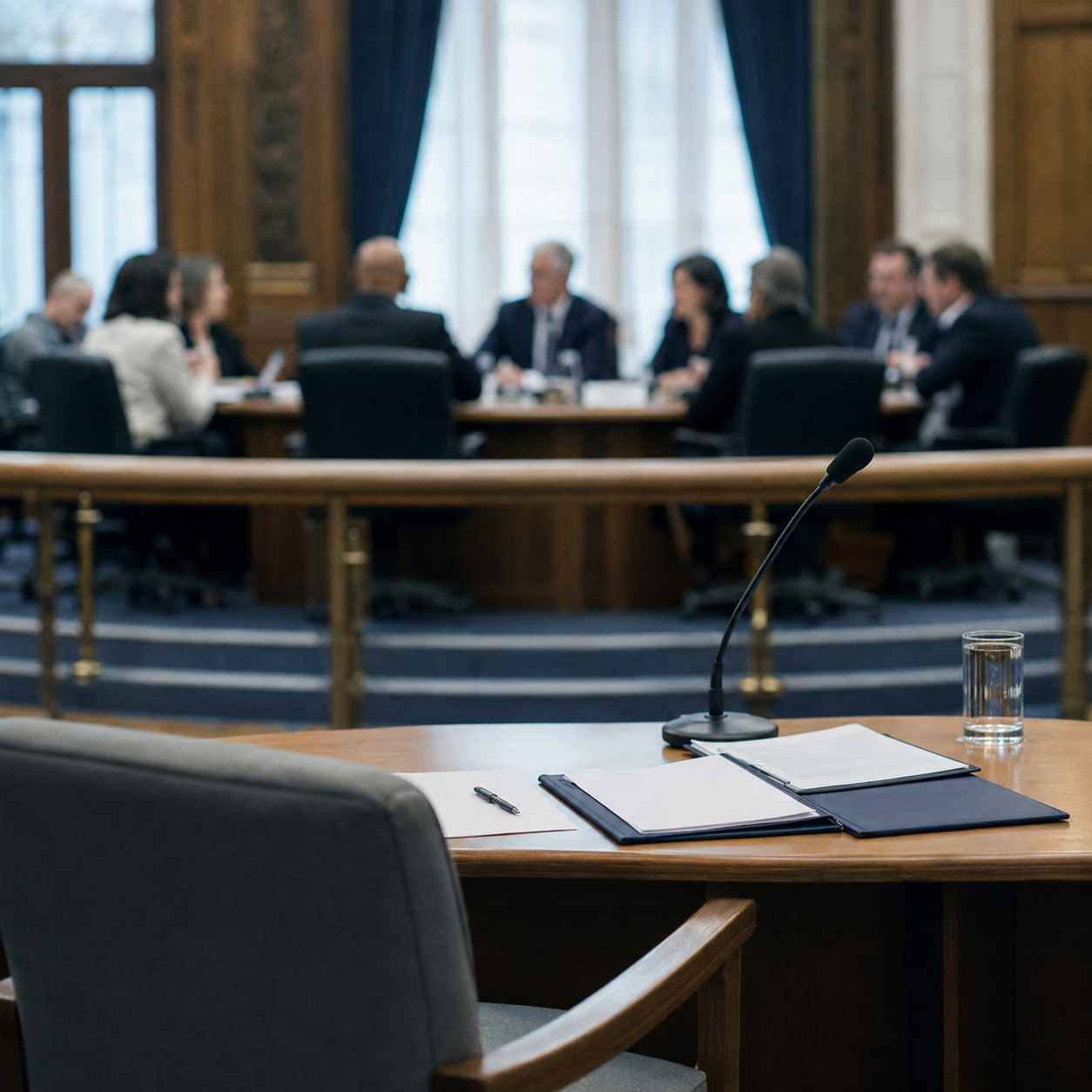
Sometimes recognition exists on paper before access exists in practice.
I’ve noticed that Deaf people are often expected to engage with public life while access to information in BSL remains inconsistent, delayed, or missing.
British Sign Language is legally recognised as a language in England, Scotland and Wales.
Yet access to public and political information in BSL is still not guaranteed in the way it should be.
BSL provision remains uneven.
Qualified interpreters are in short supply.
Public announcements can still be delivered without live BSL access.
Emergency briefings have historically excluded Deaf BSL users, with interpretation added later, if at all.
This reveals a contradiction.
Deaf people are expected to follow politics, engage in public debate, and participate in elections while access to information in our own language is treated as optional.
When inclusion depends on discretion rather than duty, trust erodes.
When BSL is treated as an added cost instead of essential public infrastructure, access becomes fragile.
Deaf people do not disengage because we do not care.
We disengage because access is not designed into the system from the start.
This is not about political parties.
It is about governance structures that recognise Deaf people symbolically, but do not consistently guarantee timely, meaningful access.
Over time, hope becomes something we manage.
Not because we are apathetic.
But because experience teaches us to expect exclusion unless we demand inclusion.
Deaf access should not depend on who remembers to include us.