When Power Is Used to Silence
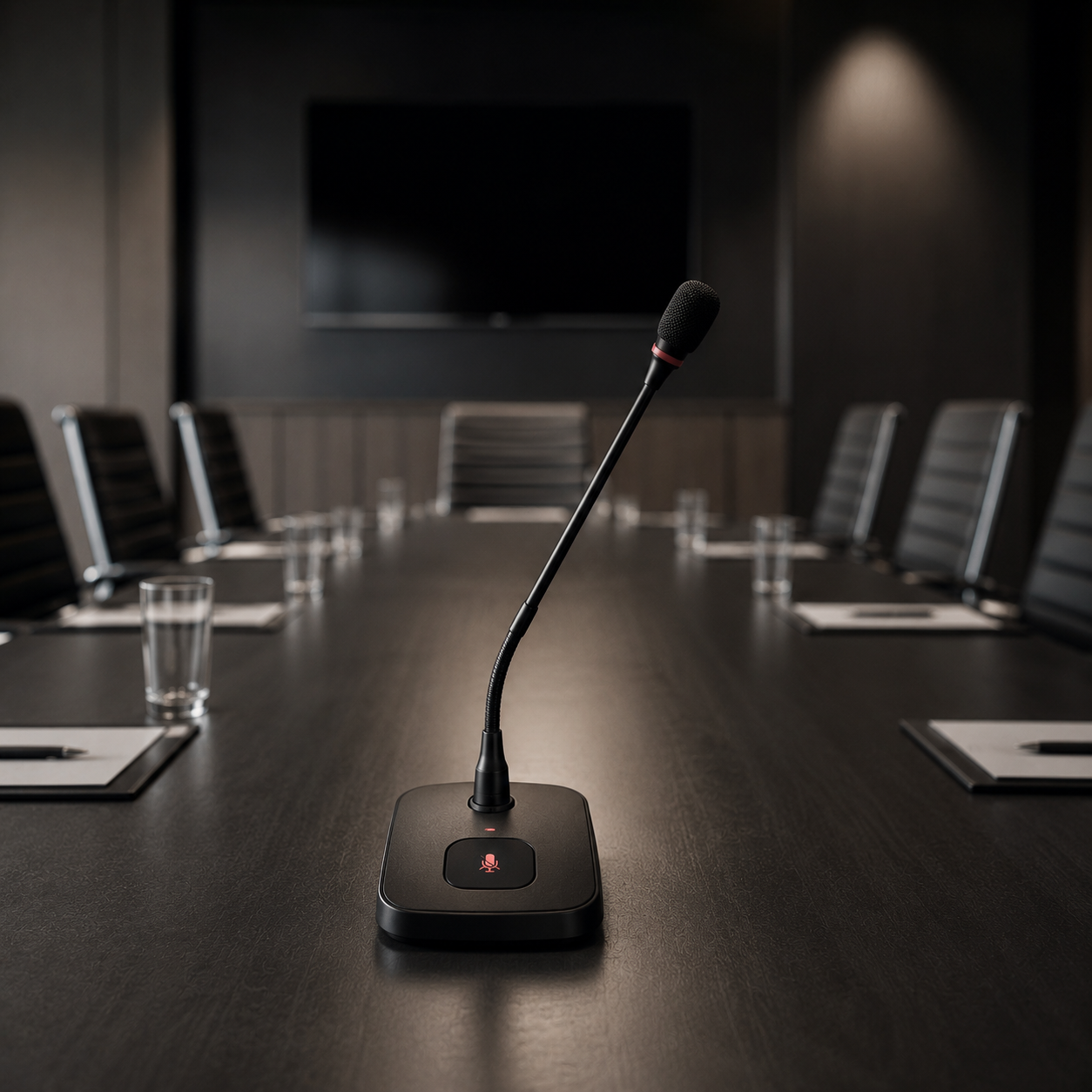
Sometimes the conversation changes the moment a concern becomes uncomfortable.
I’ve noticed how quickly attention can shift from what is being raised to the person raising it.
Silencing rarely looks dramatic.
It often looks procedural.
Concerns are redirected instead of addressed.
Voices are labelled emotional, unprofessional, or difficult.
Access to platforms, meetings, or decision-making quietly narrows.
Power does not need to shout to silence.
It only needs control over hierarchy, process, and who is heard on what terms.
For Deaf and disabled people, this adds another layer of risk.
Speaking up risks consequences.
Staying quiet feels safer.
Harm continues, not because no one noticed, but because the structure made speaking up costly.
This is not conflict management.
It is containment.
When power operates through policy language, reporting structures, and gatekeeping roles, accountability disappears behind “process.”
Participation becomes conditional.
Safety depends on compliance.
Silence created by power is not consent.
It is a warning sign.