When Protection Systems Are Not Built for Deaf People
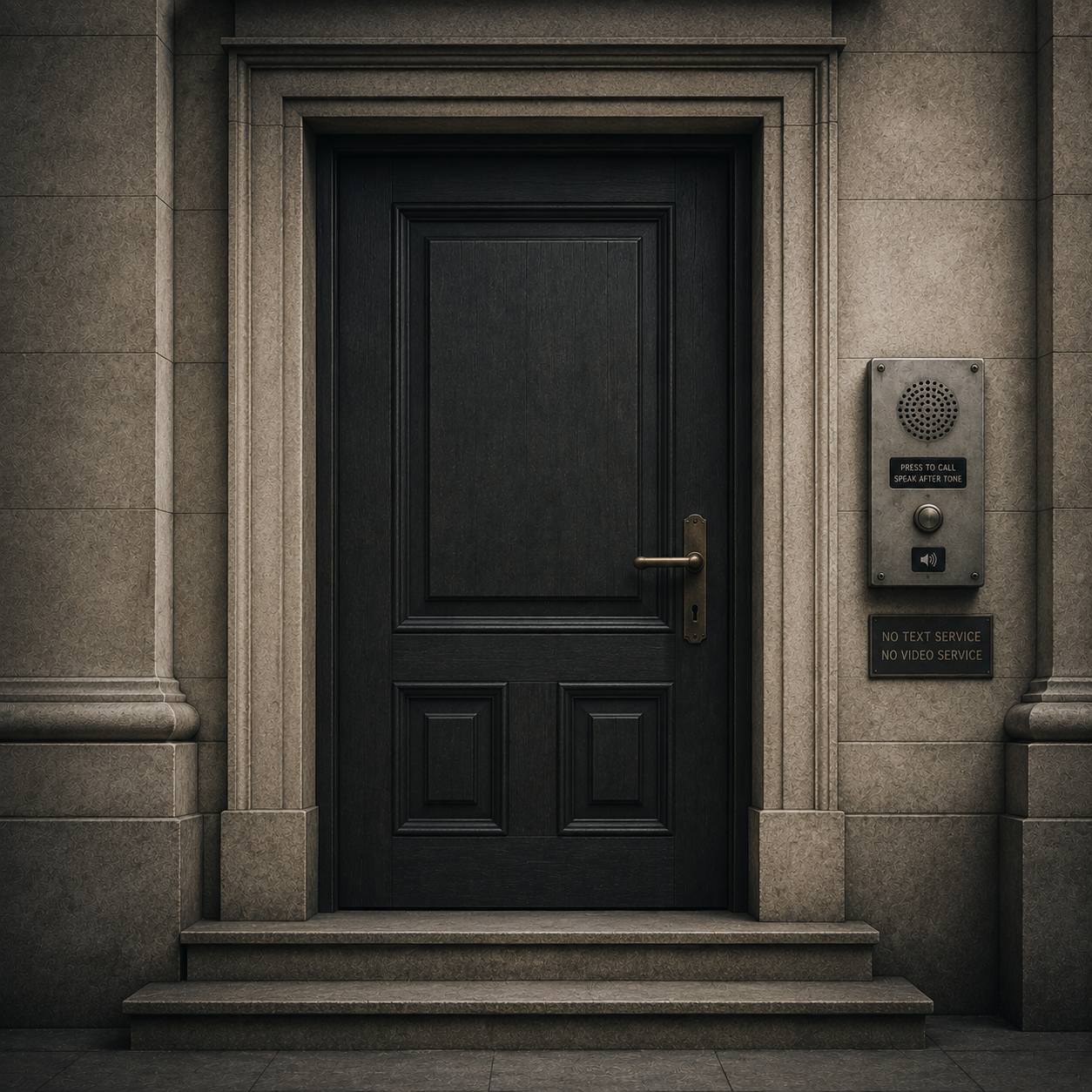
Sometimes the greatest barrier is not a lack of protection, but who the protection was designed for.
I've noticed how often Deaf people are expected to adapt to protection systems, rather than protection systems adapting to Deaf people.
Protection systems in the UK are not designed around Deaf people.
Laws, policies, and professional codes may reference access, but they do not form a protection system built around Deaf experience.
Instead, Deaf people are expected to navigate hearing-designed justice systems, safeguarding frameworks, complaint pathways, and regulatory processes.
The system is not built around language-based vulnerability.
It assumes access can be added later.
This gap matters.
When protection is not designed around access, power imbalance remains unseen.
When power is not recognised, harm is easier to minimise or dismiss.
Who holds the power?
Hearing-led systems that define the process.
Who carries the risk?
Deaf people navigating systems not built for them.
Without Deaf-centred safeguards, protection depends on individual fluency, confidence, and resilience, instead of structural prevention.
Protection should not depend on how well someone can navigate a system that was never designed for them.
When systems are not built around Deaf people, they do not protect.