When Silence Sustains the System
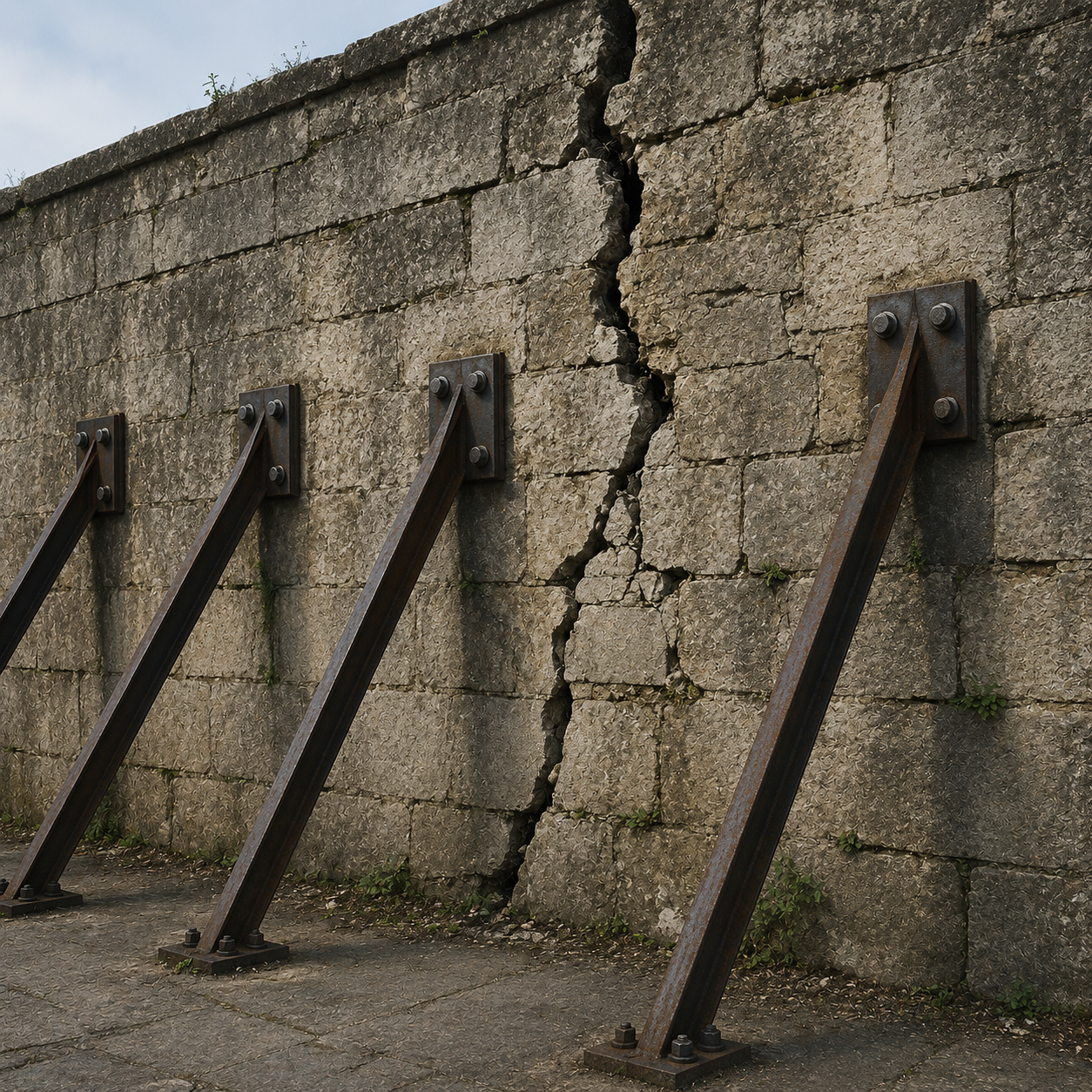
Sometimes the people maintaining a system are not the ones who created it.
I’ve noticed how often conversations about inclusion focus on the people making decisions, while overlooking the people who allow those decisions to continue unchallenged.
Most barriers do not appear overnight.
They are repeated.
Accepted.
Normalised.
Protected by silence.
This can happen in many ways.
A manager notices access being ignored but says nothing.
A colleague sees exclusion happening but looks away.
An organisation knows a process is causing harm but continues because it feels easier than changing it.
The people involved may not intend harm.
They may feel uncomfortable speaking up.
They may worry about consequences.
They may assume someone else will challenge it.
But systems rarely sustain themselves.
They survive because enough people continue to support them, tolerate them, or remain silent around them.
This is not about blame.
It is about awareness.
Because many of us have been there.
I know I have.
There were times when I stayed quiet because I did not feel safe enough to speak.
Times when I convinced myself there was nothing I could do.
Times when silence felt easier than challenge.
Looking back, I do not carry shame for that.
I carry understanding.
And awareness of how systems can shape what people feel able to say.
The issue is not whether people are good or bad.
The issue is what happens when silence becomes part of the structure.
When enough people remain quiet, barriers become normal.
Exclusion becomes routine.
And systems continue exactly as they are.
Real change does not only begin with those in power.
It begins when people notice what is happening and choose not to look away.
Because injustice does not survive only through harmful systems.
It also survives through the silence that allows those systems to continue unchallenged.