When I Learned to Stay Quiet
Power & Oppression › Psychological & Social Tools of Oppression
Reading Time: ~4 minutes
Sensitivity: Explores internalised silence shaped by power imbalance.
Content Note: Mentions self-suppression, emotional minimisation, and survival responses.
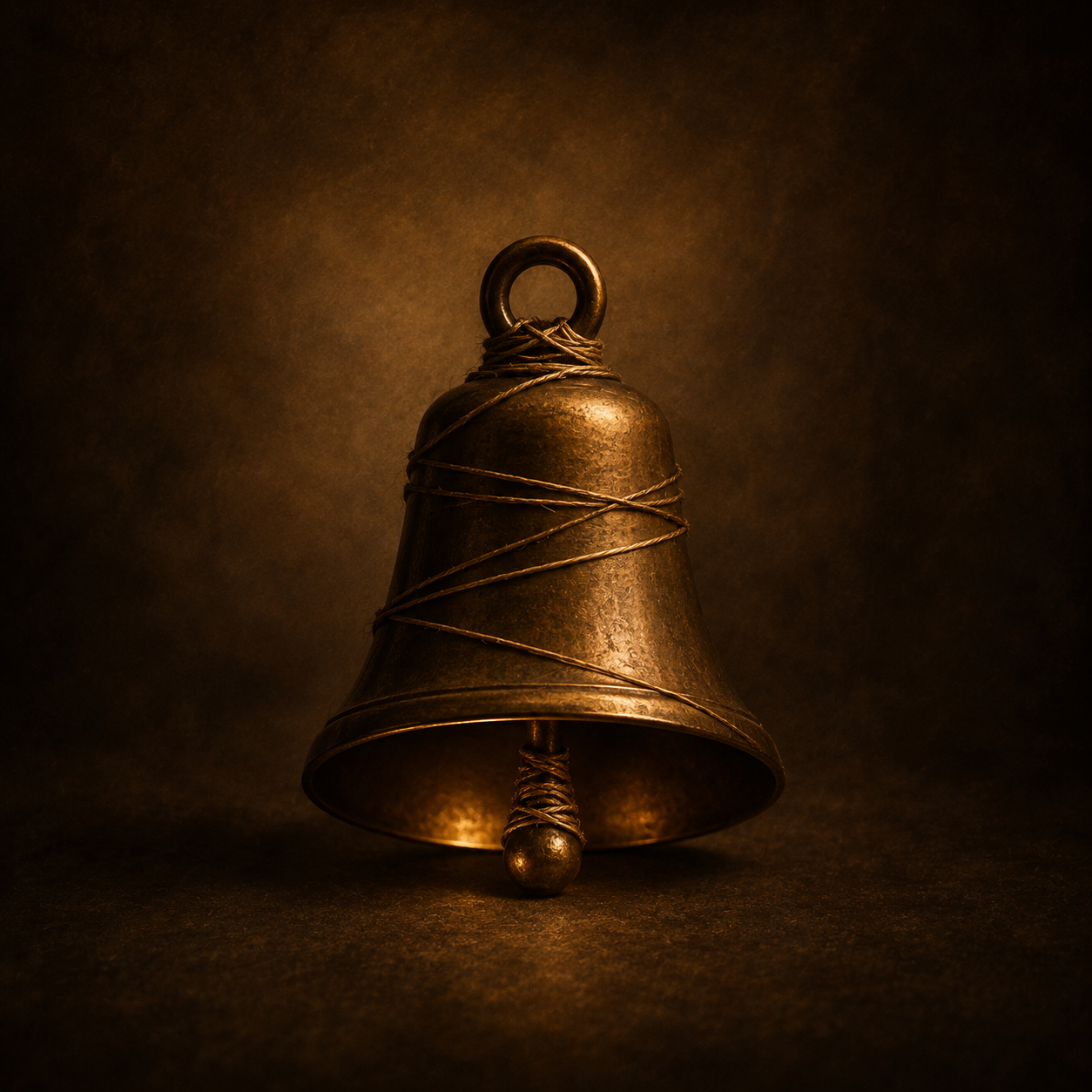
A Moment
I remember the shift.
Not when someone told me to be quiet.
But when I told myself.
I learned to measure my words.
To soften my tone.
To reduce my reactions.
To let things pass that unsettled me.
No one had to silence me anymore.
I had learned how to do it myself.
What It Did to Me
It felt like safety at first.
If I stayed small, there would be less conflict.
If I stayed agreeable, there would be less resistance.
If I stayed quiet, there would be fewer consequences.
But over time, the silence moved inward.
I stopped sharing discomfort.
I stopped naming harm.
I stopped trusting my instincts.
My body still reacted – tight chest, shallow breath, restless sleep, but my voice remained still.
The cost was subtle.
I began disappearing in rooms I physically occupied.
What I Came to Understand
Looking back, I can see why I became quieter.
There were times when speaking honestly felt risky.
Times when challenging something came with consequences.
Times when staying quiet felt safer.
I used to think that meant something was wrong with me.
Now I understand it differently.
My silence was not weakness.
It was a way of coping.
My voice had not vanished.
It had simply been placed on hold.
Where This Still Shows Up
It shows up when I hesitate before raising a concern.
When I rehearse sentences in my head before speaking them aloud.
When I downplay my needs to avoid discomfort.
It shows up in meetings.
In difficult conversations.
In moments where I am not sure how my words will be received.
Now, I pause differently.
I ask:
Is this silence protecting me or shrinking me?
Closing Line
The silence made sense long before I understood it.