When Deaf Spaces Are Built Around Hearing Norms
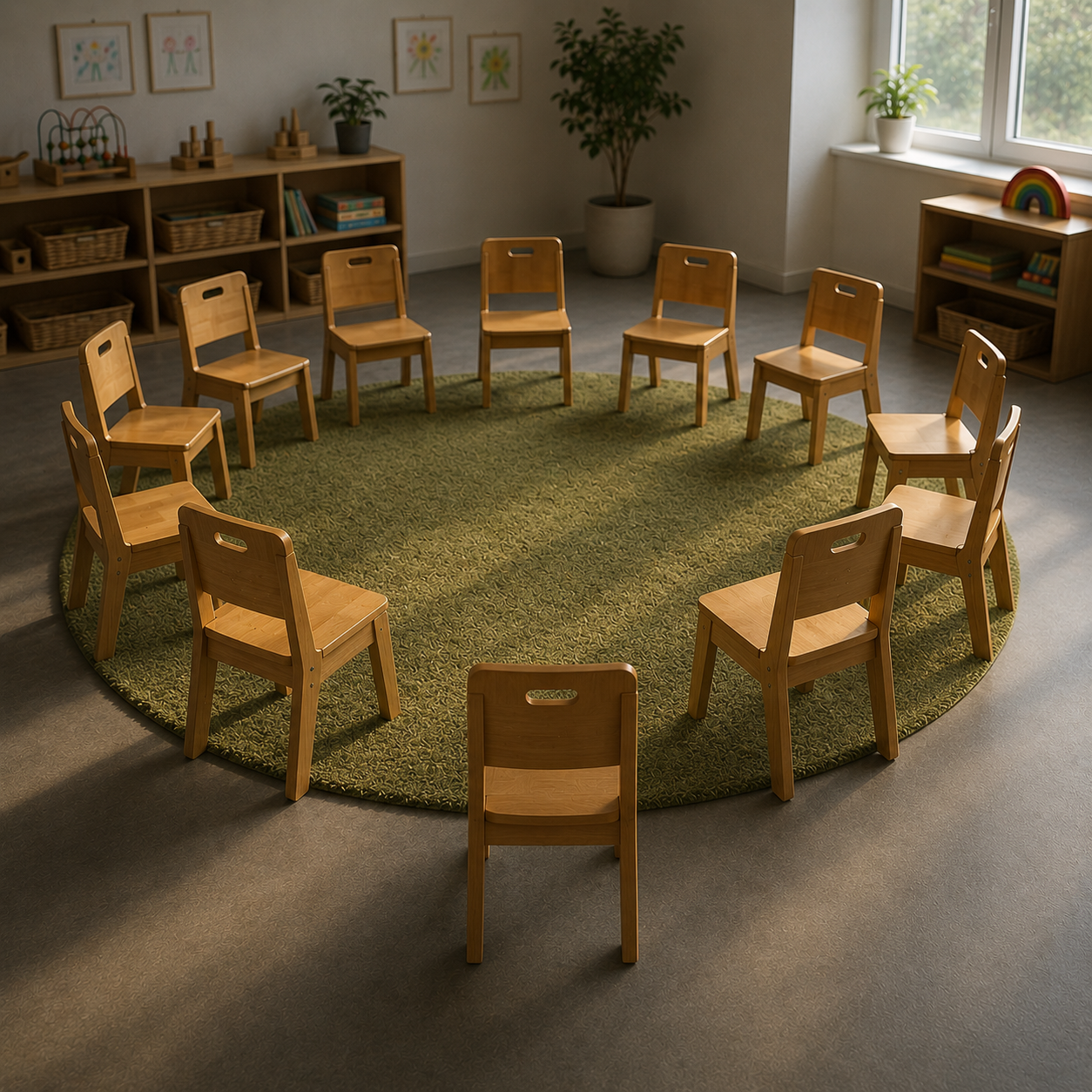
Sometimes the most powerful message a child receives is not what they are told.
It is what they repeatedly experience.
I’ve noticed how often spaces designed for Deaf children are still organised around hearing expectations rather than Deaf experience.
Early-years support is often presented as a pathway to language, confidence, connection, and belonging.
It should be.
But many Deaf children enter environments where hearing perspectives remain the default.
Sessions may be led through spoken English.
Signing may be limited.
Hearing parents may still be at the beginning of their own signing journey.
Deaf culture may be present in name, but absent from the room.
On paper, these spaces exist to support Deaf children.
In practice, Deaf ways of being can still be treated as secondary.
Language becomes something introduced gradually rather than lived fully.
Deaf role models become occasional visitors rather than central figures.
Cultural connection becomes optional rather than foundational.
The issue is not that hearing professionals do not care.
Many do.
The issue is that hearing experience can remain the norm even within environments created specifically for Deaf children.
And early childhood is about more than communication.
It is about identity.
Belonging.
Connection.
A child’s understanding of who they are and where they fit.
When Deaf children rarely encounter Deaf adults, experience Deaf-led spaces, or see Deaf culture reflected around them, absence communicates something too.
Whose language is centred?
Whose experience is treated as normal?
Whose knowledge shapes the space?
Support that centres hearing norms may improve access.
But access alone is not belonging.
Deaf children deserve rich language environments where Deaf identity is visible, valued, and normal.
They deserve Deaf culture as something living and present, not something introduced later.
If a space exists for Deaf children, Deaf experience should not sit at its edges.
It should help shape the centre.